Introduction
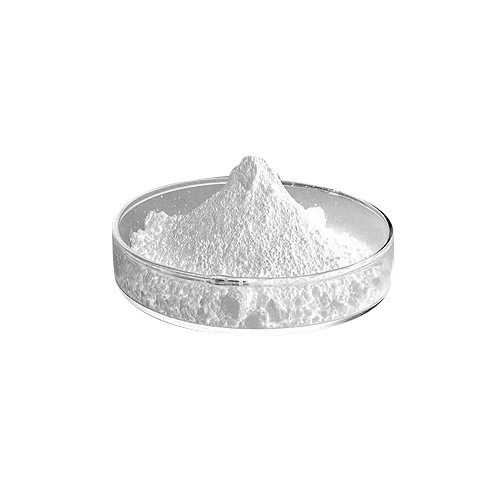
Calcium gluconate powder holds a quiet but important place across several production lines. Manufacturers value it because it dissolves easily, supports stable formulas, and adds calcium without a strong taste. Food processors, supplement makers, cosmetic brands, and water treatment teams each use it for different reasons. That broad reach reflects a simple fact. One material can meet nutritional, functional, and handling needs at the same time.
Core Profile
In current manufacturing, calcium gluconate powder is treated as a practical calcium salt with high purity and strong water solubility. The inspected product page lists food grade and USP positioning, plus pack sizes from 1 kilogram to 1000 kilograms. Those details matter because buyers often need materials that scale cleanly from pilot batches into regular plant production without changing core performance.
Food Use
Food makers add this ingredient to raise calcium content while keeping flavour changes low. Dairy drinks, cereals, baked items, and fortified beverages benefit from that balance. Since the powder dissolves well, it can fit liquid or dry systems with less process friction. Texture also stays more predictable, which helps teams protect consistency across repeated runs, retail formats, and shelf-ready recipes.
Supplement Formulation
Nutritional products rely on calcium sources that are easy to formulate and easy to tolerate. Calcium gluconate suits tablets, powders, and syrups because it offers useful bioavailability without the heaviness linked with some other salts. Brand teams also value a mild profile. That characteristic helps support consumer acceptance, especially in products meant for daily intake or steady long-term nutrition plans.
Pharmaceutical Value
Pharmaceutical manufacturing often favors ingredients with known handling behavior and stable quality. This powder fits that need because it blends into oral formats without demanding extreme processing conditions. Gentle performance is another benefit noted on the inspected page. For formulators, that can reduce risk during development work and simplify decisions around dosage forms, compatibility screening, and routine production control steps.
Cosmetic Applications
Personal care brands use mineral ingredients to shape formula feel and balance. Calcium gluconate appears in some skincare and haircare products where mildness matters. Its presence is less about marketing language and more about practical formulation work. Chemists want materials that mix predictably, support product stability, and stay manageable during scale-up from bench testing into contract manufacturing or in-house filling lines.
Water Treatment Relevance
Water treatment work depends on dependable inputs that behave the same way across repeated dosing cycles. The inspected page places calcium gluconate within that category as well. That listing suggests value beyond nutrition alone. In industrial settings, buyers often prefer multipurpose chemicals because procurement becomes simpler, inventory planning improves, and technical staff can evaluate one material for several adjacent operational needs.
Handling And Storage
Storage practice shapes product quality long before use begins. The inspected source advises keeping the powder in a cool, dry place and sealing containers against moisture. Clean, dry tools are also recommended during handling. Those steps sound basic, yet they protect flow, purity, and stability. In warehouse terms, small handling habits often decide whether a batch remains fit for precise formulation work.
Compatibility Limits
Every useful ingredient carries practical limits, and this one is no exception. The inspected page warns about incompatibility with phosphates, bicarbonates, and ceftriaxone. That guidance is important for technical teams because a promising material can still fail inside the wrong blend. Early compatibility checks save time, reduce wasted stock, and prevent late-stage reformulation after packaging, labeling, or purchasing decisions are already underway.
Supply Scale
Commercial availability often influences material choice as much as chemistry does. The inspected product offers delivery or pickup, and lists sizes from small packs to bulk volumes. That spread supports laboratories, niche brands, and larger plants without forcing separate sourcing paths. Buyers usually prefer that flexibility because qualification work can begin on a modest order, then shift into larger contracts once performance is confirmed.
Conclusion
Modern industry favors materials that solve several problems without creating new ones. Calcium gluconate powder fits that standard through solubility, mild sensory impact, scalable supply, and broad formulation use. Food, health, cosmetic, and treatment sectors each find a practical reason to keep it in circulation. Its role is unlikely to attract headlines, yet steady industrial demand shows how strongly quiet, reliable ingredients shape everyday manufacturing results.