Introduction
Moving furniture across Auckland can turn a simple change into a tiring day. Heavy cabinets, narrow halls, wet weather, and limited vehicle space create delays. Professional help brings a clear plan, suitable equipment, and trained hands. Crews protect floors, secure awkward pieces, and keep household routines moving. With reliable support, owners spend less time lifting, waiting, or correcting avoidable damage. The result is a calmer changeover, with safer handling from the first box onward.
Planning Before Lifting
Before a vehicle arrives, a capable team checks access points, item sizes, parking limits, and timing needs. A booking with furniture movers in Auckland gives households practical guidance about loading order, crew numbers, protective materials, and route timing. That preparation reduces last-minute choices, while clear instructions help residents ready rooms, pets, and fragile belongings before lifting starts.
Accurate Time Estimates
A professional assessment creates a realistic schedule. Teams consider stairs, elevators, travel distance, traffic, and bulky pieces before setting arrival windows. This process helps residents coordinate keys, cleaners, landlords, and utility appointments. Clear timing also reduces idle periods, since each worker knows the next task. A written plan gives everyone one reference point during a busy day.
Safer Handling Methods
Protecting Valuable Items
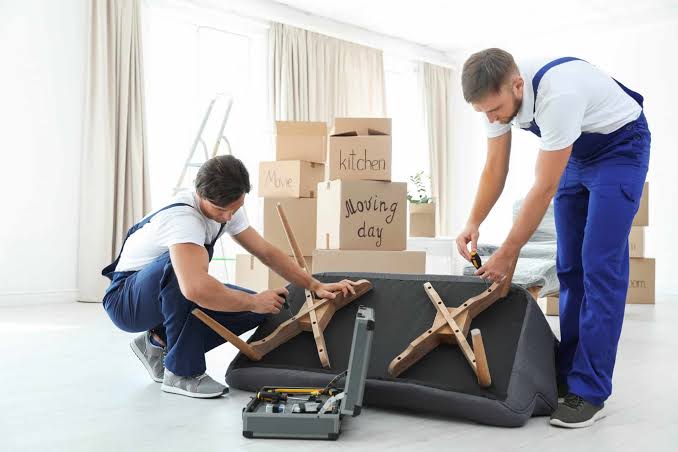
Trained movers use straps, padded blankets, corner guards, and suitable trolleys. These tools reduce strain on backs, walls, floors, and valuable surfaces. Workers also measure doorways before carrying large items through them. Careful positioning prevents sudden turns and unsafe lifting. Fewer accidents mean less time spent managing repairs, injuries, or damaged possessions after arrival.
Faster Loading and Unloading
An organised crew assigns roles before work begins. One person directs movement, while others carry, secure, or check inventory. This division limits repeated instructions and keeps the vehicle balanced. Heavy items go in first when appropriate, while delicate pieces receive protected positions. A consistent sequence reduces door traffic and shortens the time needed at both properties.
Better Vehicle Use
Furniture takes more space than cartons, so vehicle layout matters. Movers group pieces by shape, weight, and destination room. Sofas, tables, shelving, and beds receive stable positions that limit shifting during travel. Tie-down points keep loads secure across turns and stops. Efficient packing may reduce extra trips, fuel use, parking pressure, and waiting time.
Fewer Physical Demands
Lifting large items can leave residents tired before the main work is complete. Professional crews handle repeated carrying, stair movement, and vehicle loading with suitable equipment. Household members can focus on access, documents, children, pets, or final cleaning. Reduced physical effort supports better decisions, especially during long days with several tasks happening at once.
Clear Inventory Control
A simple inventory list helps teams track furniture from one address to another. Each item can receive a room label, condition note, or position marker. Residents gain a quick way to confirm arrivals without searching through every room. This record also highlights missing hardware, existing marks, or special handling needs before unpacking begins.
Lower Risk of Delays
Several small issues can extend a move. Blocked driveways, unmeasured stairwells, loose drawers, poor weather, and missing keys create avoidable pauses. Experienced movers identify these risks early and prepare practical responses. Covers, tools, spare straps, and route checks help work continue. Early preparation keeps minor problems from becoming expensive schedule changes.
A Calmer Arrival
Once furniture reaches the new property, correct placement saves further effort. Movers can position large items according to the agreed room plan, leaving clear paths for later unpacking. Residents avoid shifting heavy pieces twice. A tidy handover also makes it easier to check walls, floors, furniture condition, and remaining equipment before the crew leaves.
Conclusion
Professional furniture movers save time through preparation, role sharing, safe equipment, and careful vehicle planning. Their work also reduces strain, property damage, repeated lifting, and uncertain arrival times. Residents receive greater control over a demanding day, even when access or weather creates extra pressure. A written inventory, clear instructions, and sensible room plan support a smoother handover. With the heavy work managed by trained crews, households can settle sooner and recover energy for the next stage.