Introduction
Clear television reception depends on more than a roof antenna and a cable run. Signal strength shifts with terrain, building materials, weather, and equipment age. Professional aerial services reduce those variables through testing, careful placement, and sound installation methods. Their work helps households avoid picture breakup, missing channels, and repeat callouts. A trained installer also checks whether each part of the system works together, from the aerial itself to wall plates and internal cabling.
Signal Checks First
Before any hardware goes up, professionals test the signal at the property. That step shows where interference, weak coverage, or cable loss may affect viewing. For households researching TV Aerial Installation NZ, this early diagnosis matters because the best setup depends on local conditions, roof height, and room layout. A measured approach prevents guesswork and helps avoid paying for parts that do little to improve reception.
The Right Aerial Matters
Different areas need different aerial types. Some homes receive a strong signal with a standard unit, while others need a higher gain model. Installers match the aerial to the broadcast conditions instead of choosing a one-size option. That decision affects picture stability and channel access. Correct selection also lowers strain on amplifiers, which can create noise if added where they are not needed.
Placement Affects Performance
Aerial position can change reception more than many viewers expect. A small shift in height or direction may reduce interference from nearby roofs, trees, or other structures. Professionals test multiple positions before fixing the mount. That process helps them find the clearest path to the transmitter. Better placement also limits dropouts during wind or rain, which often expose weak installation choices.
Cabling Can Cause Loss
Reception problems do not always start at the aerial. Old cables, loose connectors, and poor joins often reduce signal quality before it reaches the screen. Skilled technicians inspect the full path from the roof to each outlet. They replace worn sections and use proper fittings that resist moisture and corrosion. Clean cable runs support sharper pictures and fewer faults over time.
Split Systems Need Balance
Many homes now feed more than one television. Once a signal is split, each outlet receives less strength. Professionals calculate that loss before adding extra rooms, so every screen gets a usable feed. They may add a distribution amplifier where testing supports it. Careful balancing keeps one television from working well while another struggles with freezing, blocking, or missing channels.
Mounting and Safety Count
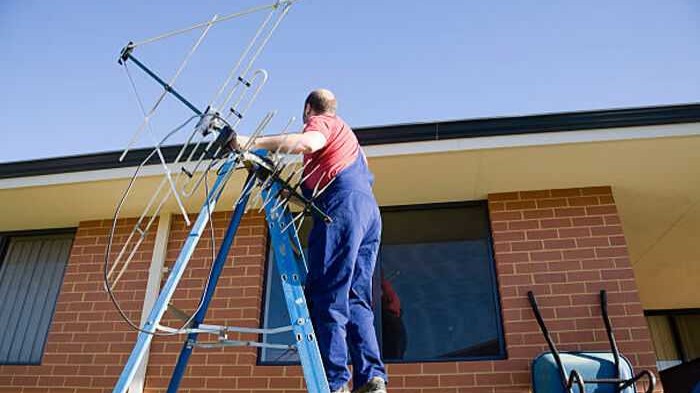
Roof work involves height, weather exposure, and electrical awareness. Experienced installers use secure brackets, stable ladders, and fixings suited to local conditions. They also avoid mounting points that may loosen or leak later. Good safety practice protects both property and people. Solid workmanship matters just as much, because a poorly fixed aerial can move slightly and weaken reception long before it falls.
Weatherproofing Extends Service Life
Outdoor equipment faces sun, rain, salt air, and changing temperatures. Professional services protect vulnerable points with sealed connectors, secure clips, and materials suited to exterior use. Those details reduce corrosion and water entry, which are common causes of gradual signal decline. A system that is weatherproofed properly usually needs fewer repairs. That saves households time, money, and repeated disruption.
Experience Speeds Fault Finding
Reception faults can come from several sources at once. A damaged aerial, weak splitter, and poor connector may all contribute to one visible problem. Experienced technicians know how to isolate each issue quickly. Their method shortens trial and error and improves the final result. Site knowledge also helps, especially in areas where terrain or nearby development affects how signals travel across suburbs.
Warranties Show Confidence
A warranty does more than cover parts. It shows that an installer expects the system to keep performing after the visit ends. Households should look for clear terms on labour, equipment, and follow-up support. Fast response times also matter when reception fails suddenly. Service promises backed by action often separate a careful professional from a low-cost operator who disappears after installation day.
Conclusion
Professional TV aerial services improve reception through testing, correct equipment choice, careful placement, sound cabling, and safe installation. Each step supports stable viewing and reduces the chance of repeat faults. Households benefit because the system is built for actual site conditions, not assumptions. Over time, that practical approach can lower repair costs and protect picture quality. Strong reception rarely happens by luck. It usually comes from informed work done properly the first time.